Crete is an island where traditions are not preserved behind museum glass—they remain part of everyday life. Music, celebrations, family gatherings, and food rituals continue to shape the identity of local communities across the island. For visitors, this creates an experience that feels authentic and deeply human.
Among all aspects of Cretan culture, food plays the most important role. Meals are not simply about eating; they are about sharing stories, honoring history, and strengthening relationships. Every dish carries traces of the island’s past, from ancient agricultural practices to Venetian and Ottoman influences that shaped local gastronomy over centuries.
To truly understand Crete, one must look beyond beaches and landscapes and step into the heart of its traditions—where food, hospitality, and celebration become inseparable.
The Meaning of Hospitality in Cretan Culture
Hospitality, known in Greek as filoxenia, is one of the strongest pillars of Cretan society. The word itself translates to “friendship toward strangers,” and it reflects a cultural philosophy that has existed since antiquity.
Visitors are rarely treated as customers or outsiders. Instead, they are welcomed as guests. It is common for locals to offer food, homemade sweets, fruit, or a glass of raki even during brief encounters.
This tradition of generosity comes from the island’s rural history, where communities depended heavily on mutual support and social bonds. Sharing food became a symbol of trust, respect, and openness.
Even today, many family-owned tavernas and countryside homes continue this tradition naturally and without pretension.
Food as Part of Every Celebration
In Crete, every important life event is connected to food. Weddings, baptisms, religious festivals, and village celebrations all revolve around large communal meals.
These events are not designed around luxury in the modern sense. Instead, abundance, authenticity, and togetherness define the experience.
Traditional celebrations often include:
- Slow-cooked lamb or goat
- Handmade pies
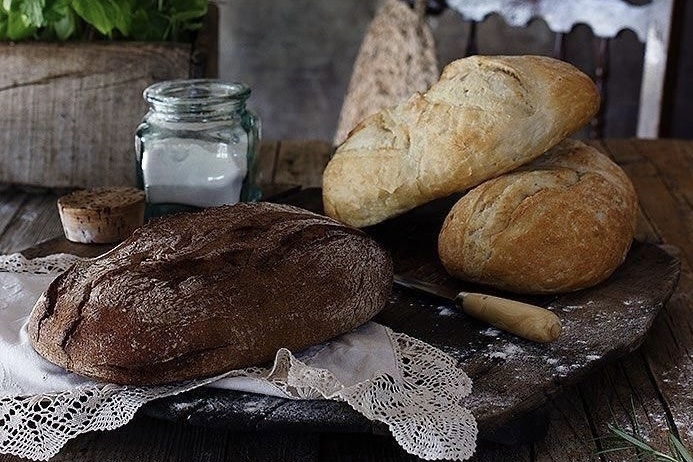
- Fresh bread baked in wood-fired ovens
- Local cheeses and olives
- Seasonal vegetables
- Homemade wine and raki
Cooking for these events is usually a collective process involving entire families and communities. Recipes are passed from one generation to another, preserving cultural memory through flavor.
Traditional Weddings and Culinary Rituals
Cretan weddings are among the most vibrant expressions of local culture. They are often large, emotional, and deeply connected to tradition.
Food preparation can begin days before the actual ceremony. Villagers, relatives, and friends gather to cook together, creating an atmosphere of collaboration and celebration.
One of the most symbolic dishes served during weddings is gamopilafo, the famous “wedding rice” of Crete. Prepared with rich meat broth and finished with lemon, this dish represents prosperity, unity, and hospitality.
Desserts such as xerotigana—crispy fried pastries soaked in honey—are also central to wedding celebrations and symbolize joy and sweetness in married life.
Religious Festivals and Seasonal Traditions
Religion continues to influence daily life in many parts of Crete, particularly in villages and mountain communities. Religious festivals, known as panigiria, combine faith, music, dance, and communal dining.
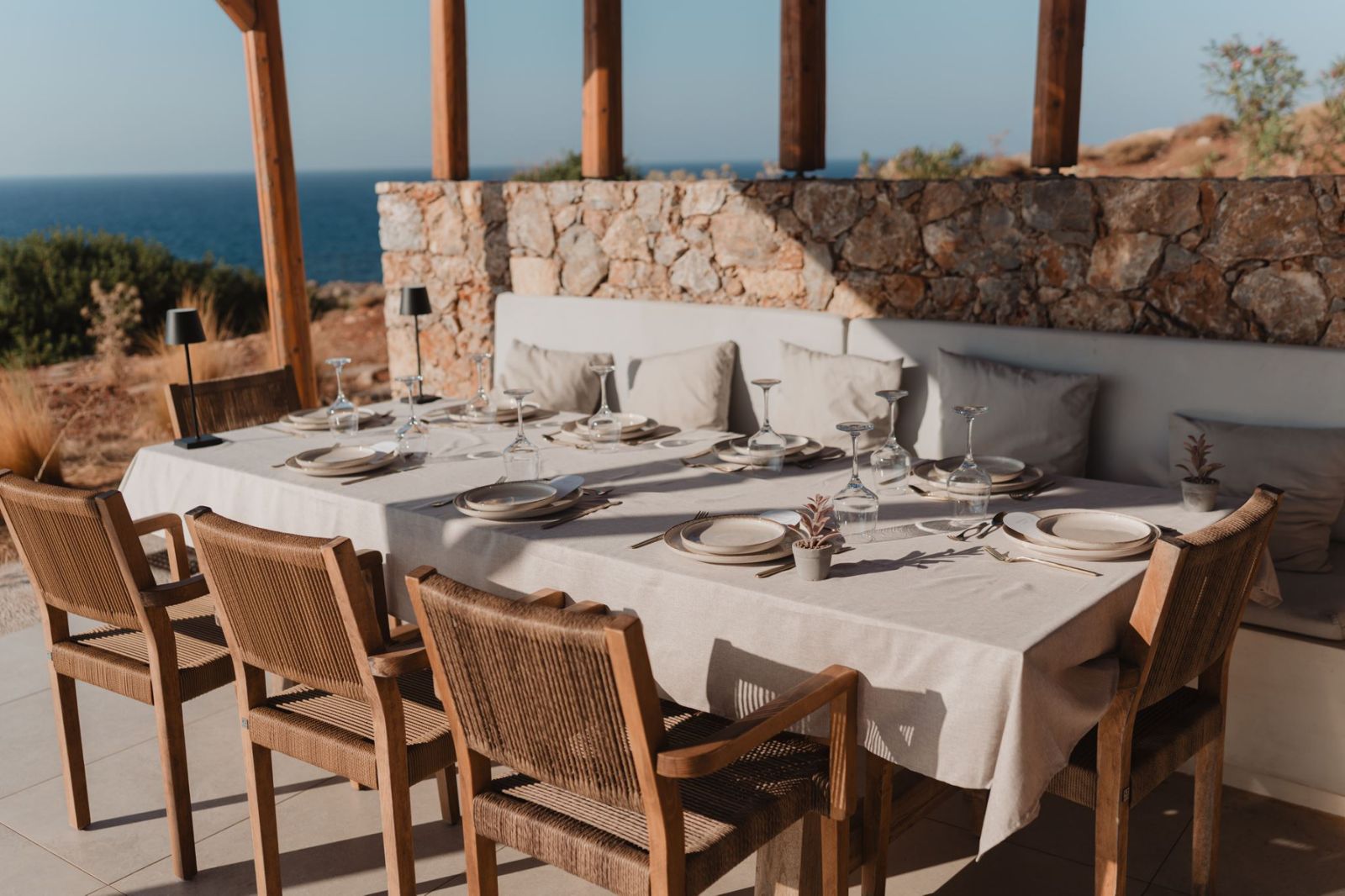
These gatherings often take place during summer and attract both locals and visitors. Long tables are set outdoors, traditional music fills the air, and food is shared freely among guests.
Seasonality also shapes culinary traditions throughout the year:
- Spring celebrates wild herbs and fresh greens
- Summer highlights tomatoes, olive oil, and outdoor cooking
- Autumn focuses on grape harvests and wine production
- Winter brings hearty stews and slow-cooked meals
This close relationship between food and nature remains one of the defining characteristics of Cretan culture.
The Importance of Olive Oil and Bread
Few ingredients are more important in Crete than olive oil and bread. Together, they form the foundation of the island’s cuisine and symbolize continuity, nourishment, and simplicity.
Olive oil is used generously in nearly every dish. Beyond flavor, it reflects the agricultural identity of the island, where olive cultivation has existed for thousands of years.
Bread, often homemade, is equally significant. In traditional households, bread is treated with deep respect and rarely wasted. Sharing bread at the table represents unity and gratitude.
Music, Dance, and the Social Table
Food in Crete rarely exists without music and conversation. Traditional instruments such as the lyra accompany celebrations, creating an atmosphere where dining becomes a complete cultural experience.
Meals are intentionally slow. Conversations can last for hours, and guests are encouraged to relax rather than rush.
This slower rhythm reflects the broader Mediterranean philosophy of enjoying the present moment and valuing human connection over efficiency.
The Modern Revival of Authentic Experiences
In recent years, travelers have increasingly searched for authentic cultural experiences rather than mass tourism. This shift has renewed global interest in Cretan traditions and gastronomy.
Cooking classes, countryside dining experiences, olive oil tastings, and village visits now allow visitors to engage more deeply with local culture.
However, what makes Crete unique is that many of these traditions were never recreated for tourism—they already existed as part of everyday life.
A Living Cultural Heritage
Cretan traditions and food culture remain powerful because they are genuine. They are not performances created for visitors but expressions of identity that continue to shape local communities.
Every meal in Crete tells a story—of family, land, resilience, and celebration. Whether enjoying a simple lunch in a mountain village or participating in a festive gathering by the sea, visitors become part of a cultural tradition that values authenticity above all else.
In a rapidly changing world, Crete offers something increasingly rare: a sense of connection grounded in simplicity, hospitality, and shared human experience.