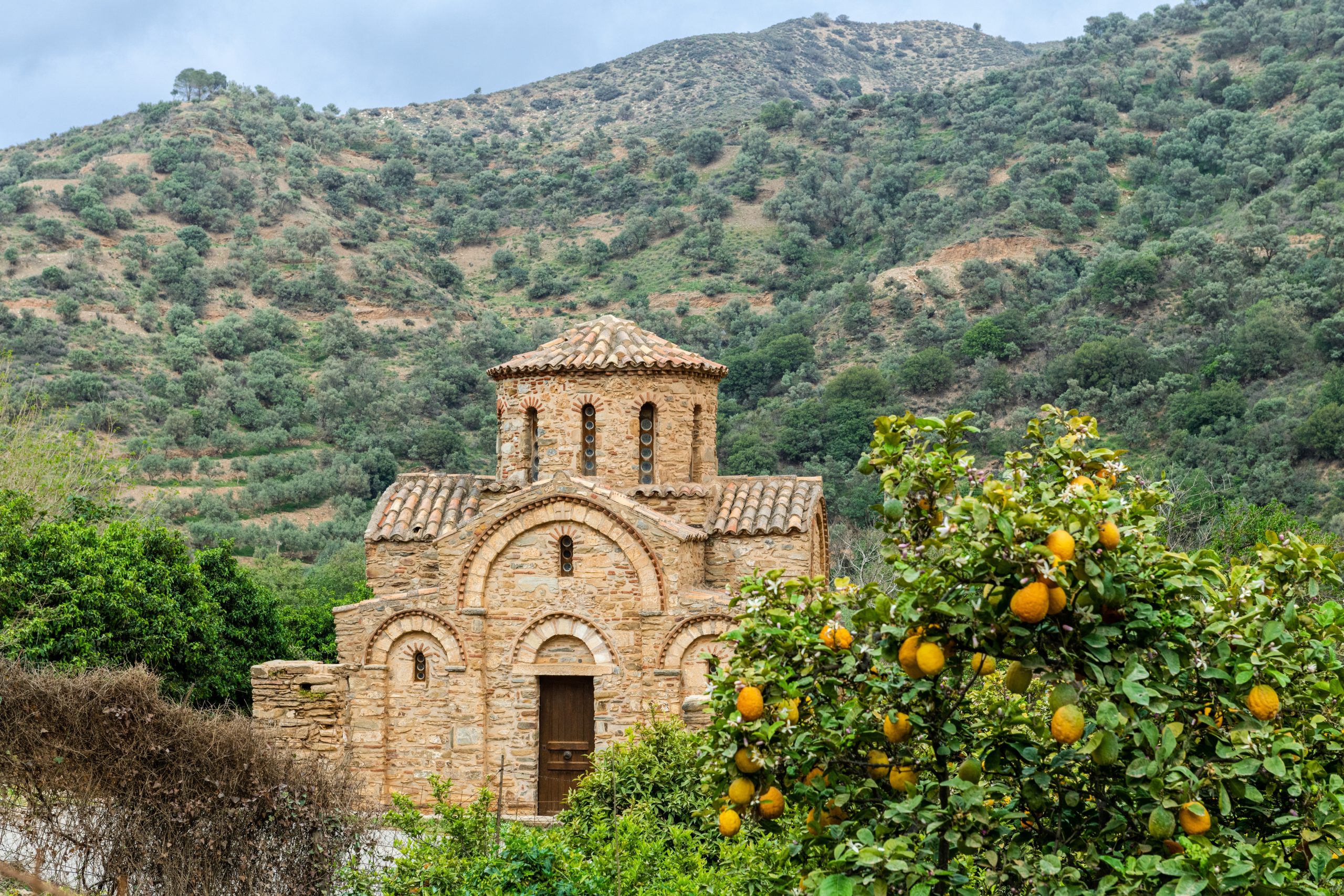
Crete is renowned for its stunning beaches, charming villages, and exceptional cuisine. However, beyond its natural beauty lies another side of the island that captivates visitors seeking history, culture, and tranquility. The monasteries of Crete stand as timeless monuments that reflect centuries of faith, resilience, and artistic achievement.
Scattered across mountainsides, coastal cliffs, and fertile valleys, these sacred sites offer much more than religious significance. They provide an opportunity to explore the island’s fascinating past while admiring remarkable architecture and breathtaking landscapes. Whether you are interested in history, photography, or simply discovering hidden gems, visiting the most beautiful monasteries in Crete should be part of every itinerary.
The Spiritual Heritage of Crete
Christianity has shaped Cretan society for centuries, and monasteries have long served as centers of education, art, and resistance during difficult periods of the island’s history. Many monasteries preserved manuscripts, supported local communities, and played a crucial role during foreign occupations.
Today, these religious landmarks continue to function as active places of worship while welcoming travelers from around the world. Their peaceful atmosphere offers visitors a chance to step away from busy tourist areas and experience a deeper connection with the island’s cultural identity.
Arkadi Monastery: The Symbol of Cretan Freedom
Located approximately 23 kilometers southeast of Rethymno, Arkadi Monastery is arguably the most famous monastery in Crete. Beyond its architectural beauty, Arkadi holds immense historical importance due to its role during the Cretan revolt against Ottoman rule in 1866.
The monastery’s Renaissance-inspired church, completed during the sixteenth century, features an impressive blend of Roman and Baroque influences. Thick defensive walls surround the complex, reflecting its function as both a spiritual center and a place of refuge.
Visitors can explore the museum, admire the elegant courtyard, and learn about the heroic sacrifice that transformed Arkadi into a national symbol of freedom and resistance. Even those with little interest in religious history often describe Arkadi as one of the most moving places they encounter on the island.
Preveli Monastery: A Sanctuary Above the Libyan Sea
Perched on the southern coast of Crete, Preveli Monastery enjoys one of the most spectacular settings among all religious sites on the island. Overlooking the Libyan Sea and situated near the famous palm forest of Preveli Beach, this monastery combines spirituality with extraordinary natural beauty.
The monastery consists of two complexes: the Lower Monastery, which is now largely abandoned, and the Upper Monastery, which remains active today. Throughout history, Preveli played a significant role in supporting resistance efforts during various occupations, including World War II.
Visitors can admire religious artifacts, enjoy panoramic sea views, and experience the peaceful atmosphere that defines this unique destination. The nearby beach also makes it easy to combine cultural exploration with a memorable day by the sea.
Agia Triada Monastery: One of Crete’s Architectural Masterpieces
Situated on the Akrotiri Peninsula near Chania, Agia Triada Tzagarolon Monastery is widely regarded as one of the most beautiful monasteries in Crete. Built during the seventeenth century by members of the influential Tzagarolon family, the monastery showcases exceptional Venetian architectural influences.
The impressive façade, elegant courtyards, and meticulously maintained gardens create an atmosphere of refinement rarely found elsewhere. In addition to its religious significance, Agia Triada is also known for producing high-quality olive oil, wine, and other traditional products.
Visitors can tour the monastery grounds, explore its small museum, and purchase locally produced specialties. Its proximity to Chania makes it an excellent destination for those interested in combining cultural sightseeing with a scenic drive through western Crete.
Toplou Monastery: A Fortress of Faith
At the eastern edge of Crete, near Sitia, stands the imposing Toplou Monastery. Distinguished by its fortress-like appearance, this monastery reflects the turbulent history of the region and the need for protection against pirate attacks and invasions.
Constructed primarily during the fifteenth century, Toplou features thick stone walls and an impressive bell tower visible from a considerable distance. Inside, visitors can admire a collection of Byzantine icons and religious treasures that highlight Crete’s artistic heritage.
The monastery is also associated with local wine and olive oil production, continuing traditions that have sustained monastic communities for generations. Its remote setting provides a sense of authenticity that appeals to travelers seeking less crowded experiences.
Chrysoskalitissa Monastery: The Monastery of the Golden Step
Located near the famous Elafonissi Beach in southwestern Crete, Chrysoskalitissa Monastery occupies a dramatic position atop a rocky hill overlooking the sea. Its name translates to “Our Lady of the Golden Step,” inspired by a local legend claiming that one of the monastery’s steps is made of gold and visible only to those of pure heart.
The monastery dates back several centuries and continues to attract both pilgrims and visitors fascinated by its unique setting. The panoramic views of the coastline add to the site’s appeal, making it one of the most photogenic monasteries to visit in Crete.
Many travelers choose to combine a visit to Chrysoskalitissa with a trip to Elafonissi, creating a rewarding day that blends history, spirituality, and natural beauty.
Gouverneto Monastery: A Hidden Gem Near Chania
Among the oldest monasteries on the island, Gouverneto Monastery is another remarkable destination located on the Akrotiri Peninsula. Founded during the sixteenth century, the monastery displays fortress-like architecture with Venetian influences and distinctive decorative details.
Unlike some of the more frequently visited sites, Gouverneto offers a quieter and more contemplative atmosphere. The surrounding landscape, characterized by rugged cliffs and dramatic scenery, enhances the sense of isolation and serenity.
One of the highlights of visiting Gouverneto is the nearby walking trail leading to the abandoned Katholiko Monastery. This short hike provides magnificent coastal views and reveals another chapter of Crete’s monastic history.
Tips for Visiting Monasteries in Crete
Before exploring these sacred sites, it is helpful to keep several practical considerations in mind.
Visitors should dress respectfully, ensuring that shoulders and knees are covered when required. Many monasteries provide wraps or skirts if necessary.
Opening hours may vary depending on the season and religious celebrations, so checking schedules in advance is recommended.
Photography policies also differ between monasteries. While exterior photographs are generally permitted, restrictions may apply inside churches and museums.
Finally, allowing sufficient time to appreciate the surroundings can greatly enhance the experience. The true beauty of these places often lies not only in their buildings but also in their peaceful ambiance and spectacular settings.
Discovering Another Side of Crete
Although Crete is famous for its beaches and vibrant culinary traditions, its monasteries reveal a different dimension of the island’s identity. They tell stories of faith, sacrifice, artistic expression, and cultural resilience that have shaped Cretan society across the centuries.
From the heroic legacy of Arkadi to the tranquil elegance of Agia Triada and the dramatic coastal views of Preveli and Chrysoskalitissa, each monastery offers its own distinctive experience.
For travelers seeking meaningful encounters beyond the usual tourist attractions, exploring the most beautiful monasteries in Crete provides an unforgettable journey through history and spirituality. These remarkable landmarks invite visitors to slow down, reflect, and discover the enduring soul of one of Greece’s most captivating islands.